


News
How to Do Skull Crushers: Lying Triceps Extension Form and Variations
How to Do Skull Crushers: Lying Triceps Extension Form and Variations
Skull crushers, also called lying triceps extensions, are one of the classic triceps exercises and one of the most searched arm movements online. You lie on a bench, hold a bar or dumbbells over your chest, and bend only at the elbows to lower the weight toward your head before extending back up. Done well, they build strong, full triceps that support your bench and overhead press. This guide covers how to do skull crushers with proper form, where to lower the bar, common mistakes, variations, programming and the sleeves and wraps that make extensions more comfortable for many lifters.
What Muscles Does the Skull Crusher Work?
Skull crushers target the triceps, the muscle on the back of your upper arm, which makes up a large share of upper-arm size. All three heads of the triceps work, and lowering the bar slightly behind the head increases the stretch on the long head. The shoulders and forearms stabilize the weight.
How to Do the Skull Crusher: Step by Step
1. Choose your bar
An EZ curl bar is the most common choice because the angled grip is comfortable on the wrists. A straight bar or dumbbells also work.
2. Lie on a flat bench
Lie back with your feet planted, head on the bench and the bar held over your chest with straight arms. Grip about shoulder width or slightly narrower.
3. Angle your arms slightly back
Let your arms tilt back a little so the bar is over your forehead or the top of your head, rather than straight over your chest. This keeps tension on the triceps at the top.
4. Lower with the elbows
Keeping your upper arms still, bend only at the elbows and lower the bar under control toward your forehead or just behind the top of your head.
5. Keep elbows in
Point your elbows toward your feet rather than letting them flare out to the sides.
6. Extend
Press the bar back up by straightening your elbows, keeping your upper arms in position.
7. Control every rep
Move smoothly; avoid dropping the bar quickly at the bottom.
Common Skull Crusher Mistakes
- Elbows flaring out. This shifts stress away from the triceps. Keep them pointed toward your feet.
- Upper arms moving too much. If your shoulders swing the bar, it becomes a pullover-press. Keep the upper arms mostly fixed.
- Going too heavy. Skull crushers work best with moderate loads and controlled reps.
- Lowering too fast. Control the descent, especially near your head.
- Lifting the head or hips. Keep your head on the bench and feet planted.
- Locking out with the shoulders. The movement should come from the elbows.
Skull Crusher Variations
Dumbbell skull crusher
Holding a dumbbell in each hand with palms facing each other. Lets each arm move freely.
Incline skull crusher
Performed on an incline bench, increasing the stretch on the long head.
Decline skull crusher
A decline bench changes the angle and how the exercise feels at the top.
Cable skull crusher
Lying on a bench with a rope or bar attached to a low cable for constant tension.
JM press
A hybrid between a close-grip bench and a skull crusher, popular with powerlifters for lockout strength.
Why Train Triceps Directly?
The triceps help lock out every press, from the bench press to the overhead press to dips. Pressing builds them, but direct work like skull crushers lets you train them through a long range of motion with less overall fatigue. Many lifters find that stronger triceps help with the top half of the bench press.
Getting Comfortable With the Movement
- Start with an empty EZ bar to learn the path.
- Have a spotter hand you the bar on heavier sets, or take it from the floor with a pullover motion.
- Keep your wrists straight and in line with your forearms.
- Use a slower lowering phase rather than more weight to make sets harder.
- If straight-bar skull crushers bother your wrists, switch to dumbbells with a neutral grip.
Rest and Rep Ranges
For most lifters, 60 to 90 seconds of rest between sets of 8 to 12 reps works well. Leave one or two reps in reserve on most sets and push closer to failure on the last set.
Skull Crushers vs Other Triceps Exercises
- Pushdowns: easy to learn and load, with the arms at your sides. Great for higher reps.
- Overhead extensions: arms overhead for a big stretch on the long head.
- Close-grip bench press: a compound press that lets you move heavy weight.
- Dips: a bodyweight press that also works the chest and shoulders.
Skull crushers sit between these: more stretch than pushdowns, more isolation than close-grip bench. A good weekly mix is one heavy compound triceps movement, plus skull crushers and one cable exercise.
Skull Crushers for Beginners
Start with an empty EZ bar or light dumbbells for two or three sessions. Focus on keeping your upper arms still and your elbows pointing toward your feet. Add weight once you can do 12 smooth reps with a slow lowering phase.
Protecting Your Setup
Getting into position with a loaded bar is the trickiest part of skull crushers. A simple method: sit on the end of the bench with the bar resting on your thighs, lie back while bringing the bar to your chest, then press it up to the starting position. Reverse this at the end of the set. With heavier loads, ask a training partner to hand you the bar and take it back when you finish. Leaving a rep or two in reserve on every set keeps the exercise controlled.
Consistent, controlled reps with moderate weights will take your triceps further than occasional heavy, sloppy sets.
Patience pays off with this exercise.
Warming Up Your Elbows for Skull Crushers
Elbows tend to want a gentle start with this exercise. Do a set of 15 to 20 light triceps pushdowns first, then one set of skull crushers with the empty EZ bar, lowering slowly. If you have already benched, one empty-bar set is usually enough. On cold days, an extra light set before your working weight often makes the first hard set feel much smoother.
How to Program the Skull Crusher
Skull crushers fit well after your main pressing lift, for 3 sets of 8 to 12 reps. Pair them with an overhead triceps exercise or pushdowns for complete triceps work. Training triceps two times a week suits most lifters.
Sample session
- Bench press: 4 x 5. See proper bench press form.
- Incline dumbbell press: 3 x 8-10
- Skull crusher: 3 x 10
- Triceps pushdown: 3 x 12-15
- Lateral raise: 3 x 15. See how to do lateral raises.
Progressing Skull Crushers
Skull crushers do not respond well to big jumps; adding 10 lb to an EZ bar can turn a clean set into a messy one. Use 2.5 lb plates on each side, or add reps first, working from 8 up to 12 before increasing the load. A slower lowering phase is another great lever. If the bar starts drifting or your elbows flare to finish reps, the weight has outrun your technique, so drop back and rebuild.
Gear for Skull Crushers
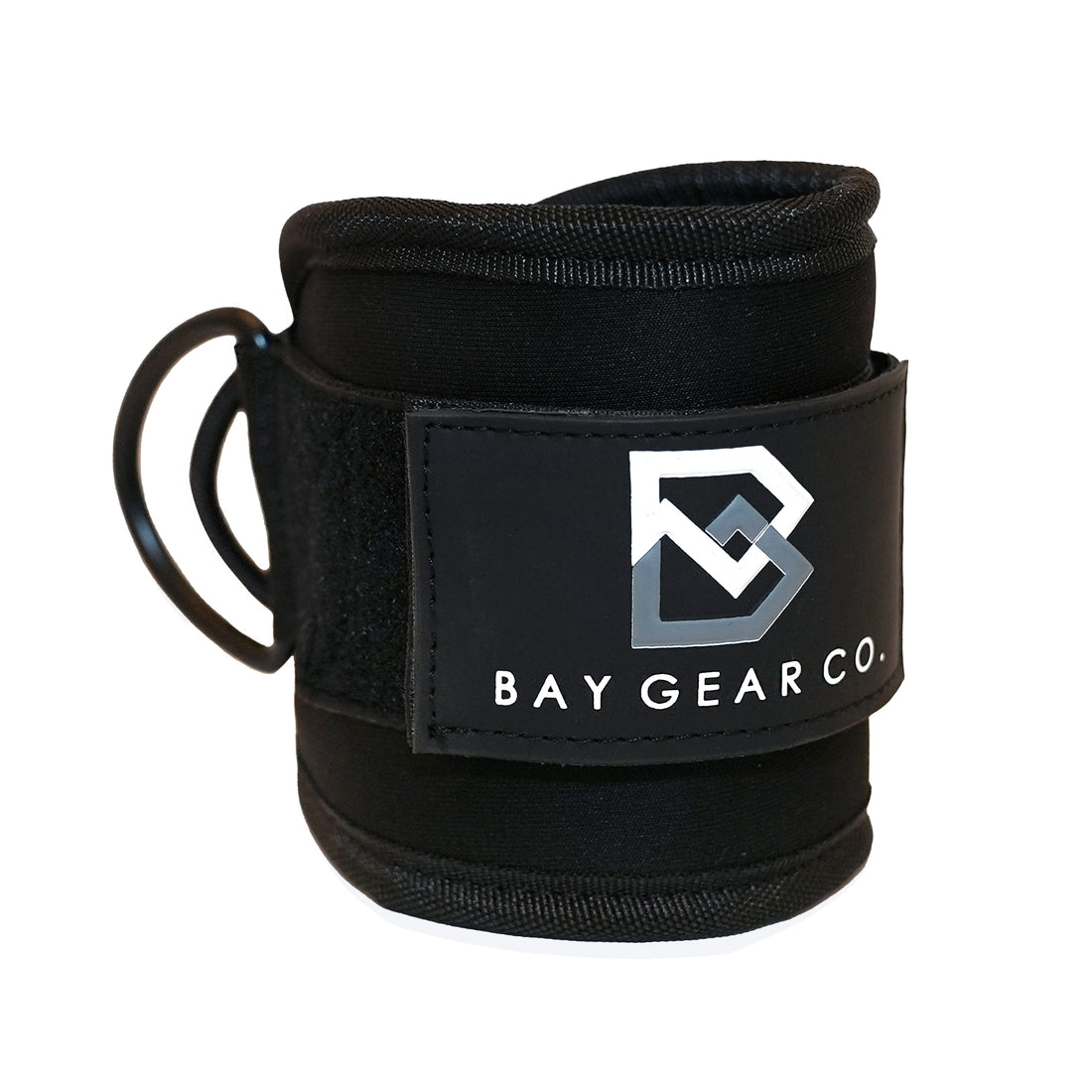
Two items fit this exercise well. Bay Gear Co. elbow sleeves (7mm, $49.99 per pair) keep the elbows warm during triceps work, which many lifters appreciate on extensions. Wrist wraps (18", poly-cotton blend, thumb loop, hook-and-loop closure, $28.99) can help keep your wrists straight under the bar, especially with a straight bar rather than an EZ bar.
Spotting Skull Crushers
A spotter for skull crushers stands at your head and keeps their hands near the bar without touching it. If you stall, they lift the bar back to the start position so you can set it down.
Training alone? Dumbbell skull crushers are easier to bail out of: you can lower the dumbbells to your sides safely.
Skull Crusher FAQ
Why are they called skull crushers?
Because the bar is lowered toward your head. Control the weight and use a spotter if you go heavy.
Straight bar or EZ bar?
An EZ bar is more comfortable for most people's wrists. Use whichever feels better.
Should I lower to my forehead or behind my head?
Lowering slightly behind the head increases the stretch on the long head of the triceps. Lowering to the forehead is also common. Choose what feels smooth.
How heavy should skull crushers be?
Use a weight you can control for 8 to 12 reps with your upper arms still.
Skull crushers vs close-grip bench?
The close-grip bench lets you move more weight and involves the chest; skull crushers isolate the triceps more. Both are useful.
The Bottom Line
A good skull crusher keeps your upper arms still, angles them slightly back, lowers under control with elbows pointed toward your feet, and extends smoothly. Use moderate weights, keep reps clean, and pair it with heavy pressing for strong triceps.
Train triceps comfortably with Bay Gear Co. elbow sleeves and wrist wraps, all with free shipping on orders over $49 and a 30-day return policy.